CSCAPITAL SHIFTSubmit a Scenario

FINANCING OPTIONS

Know your options
before you choose one.

Every deal is different. Here is what each program is generally used for, who it may fit, and what lenders usually review.

01

Investment Property

DSCR Loans

Financing designed around the property’s ability to generate rental income rather than the borrower’s personal income.

Best suited for

Real estate investors purchasing or refinancing non-owner-occupied residential property.

Common uses

  • Purchase, rate-and-term refinance, and cash-out refinance
  • Single-family rentals, condos, townhomes, and eligible 2–4 unit properties
  • Long-term rental and qualifying short-term rental scenarios

What lenders often review

Rental income, principal and interest, taxes, insurance, association dues, credit, reserves, property value, and investor experience.

What to know

Qualification commonly considers projected or existing rent compared with the property’s total housing expense. Program requirements vary by lender and property.


Discuss this loan type
02

Investment Property

No Ratio Loans

Business-purpose investment financing that does not require traditional personal-income verification or a minimum property DSCR, typically for borrowers with 700+ credit.

Best suited for

Investors whose property cash flow or personal documentation does not fit a standard DSCR program, but who have an otherwise viable transaction.

Common uses

  • Purchase and refinance of eligible non-owner-occupied properties
  • Scenarios with low or unverified rental income
  • Borrowers seeking a streamlined income-review path

What lenders often review

Credit, liquidity, reserves, property value, leverage, investor experience, and a documented business purpose.

What to know

No Ratio does not mean no underwriting. Pricing is generally higher than standard DSCR financing, and eligibility still depends on the complete transaction.

Discuss this loan type
03

International Investors

Foreign National Loans

Business-purpose mortgage financing for eligible non-U.S. citizens acquiring or refinancing investment property in the United States.

Best suited for

International investors who may not have a U.S. Social Security number, domestic credit history, or conventional U.S. income documentation.

Common uses

  • U.S. investment-property purchases
  • Rate-and-term or eligible cash-out refinances
  • Single-property and portfolio expansion strategies

What lenders often review

Identity and residency documents, foreign credit or references, assets, reserves, property cash flow, and the proposed ownership structure.

What to know

Documentation may include a passport, visa where applicable, proof of assets, and an eligible U.S. ownership and banking structure.

Discuss this loan type
04

Five Units and Above

Multifamily Financing

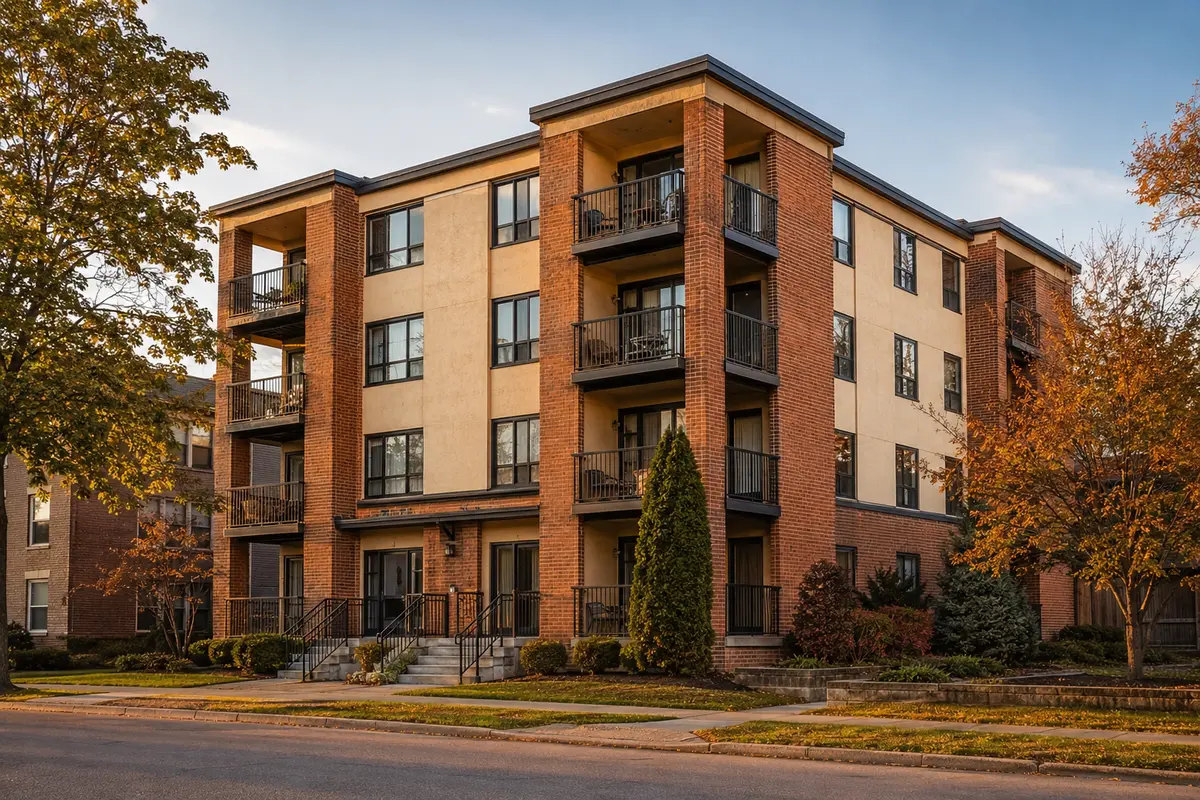
Financing for apartment properties ranging from smaller 5–8 unit buildings to larger commercial multifamily assets with 9 units or more.

Best suited for

Investors purchasing, refinancing, improving, or accessing equity from income-producing apartment properties.

Common uses

  • Specialized DSCR options for eligible 5–8 unit properties
  • Commercial multifamily financing for 9+ units
  • Acquisition, refinance, cash-out, bridge, and eligible construction transactions

What lenders often review

Rent roll, operating statements, occupancy, net operating income, debt service coverage, property condition, sponsor experience, and liquidity.

What to know

Five-to-eight-unit programs may resemble residential DSCR underwriting. Nine-plus-unit properties are generally underwritten as commercial real estate.

Discuss this loan type
05

Income-Producing Property

Commercial Real Estate

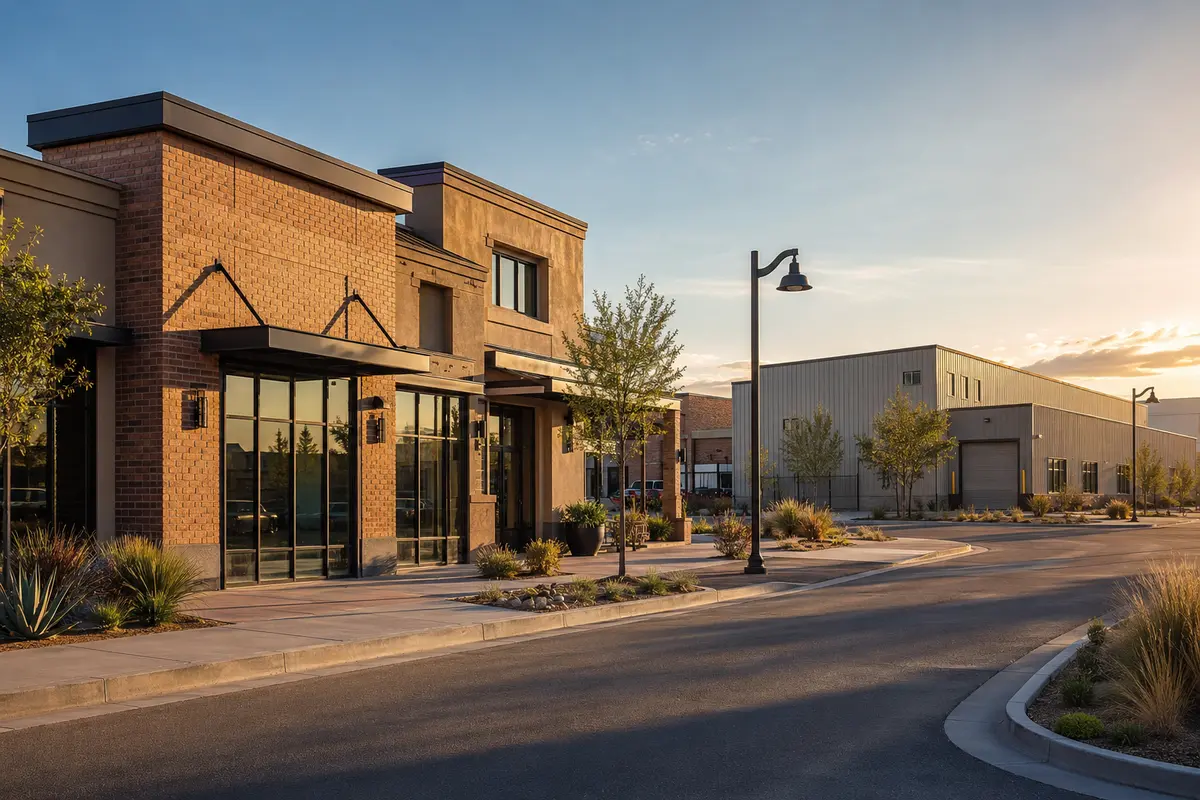
Mortgage solutions for properties used by businesses or held to generate commercial rental income.

Best suited for

Investors and business owners financing mixed-use, office, retail, industrial, hospitality, and other commercial assets.

Common uses

  • Acquisition financing
  • Refinancing maturing or expensive debt
  • Cash-out for improvements, expansion, or other business purposes

What lenders often review

Property cash flow, business financials, leases, tenancy, sponsor strength, experience, liquidity, and the specific property type.

What to know

The same loan structure does not fit every commercial property. Occupancy, tenant concentration, market conditions, and the borrower’s plan can materially affect the available options.

Discuss this loan type
06

Transitional Capital

Bridge Financing

Short-term financing used when timing, condition, occupancy, or an incomplete business plan makes permanent financing premature.

Best suited for

Time-sensitive acquisitions, transitional properties, renovations, lease-up strategies, and borrowers awaiting a longer-term exit.

Common uses

  • Fast or competitive acquisitions
  • Property stabilization and renovation
  • Refinancing an approaching maturity while arranging permanent debt

What lenders often review

Current value, future value, renovation scope, borrower equity, carrying costs, experience, timeline, and the path to repayment.

What to know

A credible exit strategy is essential. The exit may be a sale, completed renovation, stabilized occupancy, or refinance into long-term financing.

Discuss this loan type
07

Larger Short-Term Loans

Hard Money

Asset-focused, short-term financing for transactions that need speed, flexibility, or a solution outside conventional underwriting. Current hard-money requests begin at $1 million.

Best suited for

Investors and business owners with strong collateral, a time-sensitive opportunity, or a clear plan to improve, refinance, or sell the property.

Common uses

  • Commercial and investment-property acquisitions
  • Cash-out and payoff of time-sensitive obligations
  • Bridge, turnaround, and special-situation transactions

What lenders often review

Collateral value, leverage, borrower contribution, experience, business purpose, timeline, and a credible exit strategy.

What to know

Hard money is not a shortcut around due diligence. The current $1 million minimum is subject to program availability and change.

Discuss this loan type
08

Build & Improve

Construction Financing

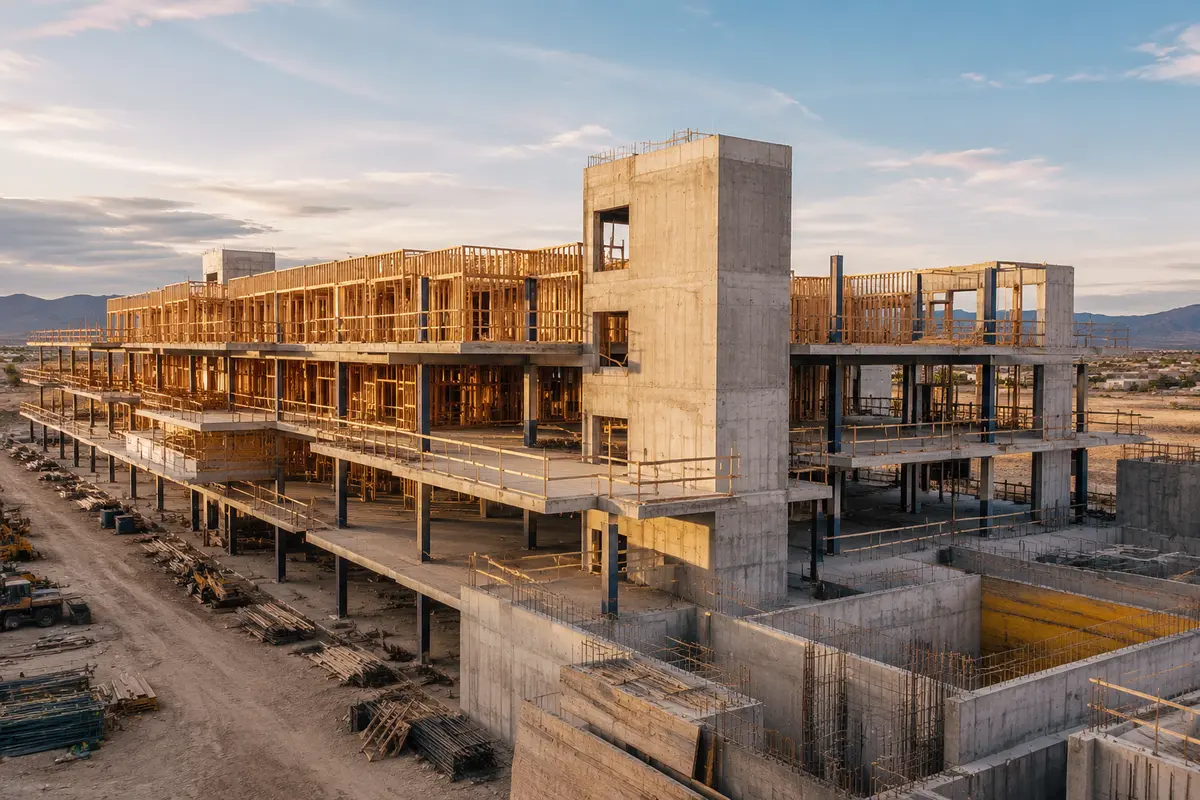
Project-based financing for ground-up construction, major rehabilitation, and development costs.

Best suited for

Experienced builders, developers, investors, and business owners with a defined plan, budget, and exit strategy.

Common uses

  • Ground-up residential or commercial construction
  • Substantial rehabilitation and conversion
  • Horizontal development and select land-related projects

What lenders often review

Plans, permits, budget, draw schedule, contractor qualifications, borrower equity, experience, as-completed value, and the permanent financing or sale plan.

What to know

Construction funds are generally released in draws as work is completed and verified. The exact structure depends on the project and lender.

Discuss this loan type
09

Owner-Occupied Business

SBA Financing

Government-supported financing for eligible operating businesses, including the purchase, refinance, improvement, or construction of commercial property the business will occupy.

Best suited for

Established or growing businesses that need a long-term home for their own operations, such as an office, warehouse, medical practice, restaurant, service facility, or manufacturing space.

Common uses

  • Owner-occupied real estate purchase or refinance
  • Construction, expansion, and property improvements
  • Eligible equipment, business acquisition, and working-capital components

What lenders often review

Business cash flow, time in business, management experience, credit, available equity, financial statements, tax returns, collateral, and how the business will occupy the property.

What to know

SBA financing is for an active operating business, not passive investment real estate. Occupancy and eligibility requirements apply, and the documentation is more comprehensive than many investor programs.

Discuss this loan type
10

Beyond the Standard Box

Creative & Alternative Solutions

A broader review for transactions that do not fit conventional bank or standardized mortgage guidelines.

Best suited for

Borrowers with complex income, unusual properties, lower DSCR, layered financing needs, or time-sensitive circumstances.

Common uses

  • Alternative-documentation business-purpose scenarios
  • Eligible short-term second-position financing
  • Portfolio, blanket, and specialized property requests

What lenders often review

Property and lien position, existing debt, credit, available equity, liquidity, loan purpose, timing, and the strengths that help offset the complication.

What to know

Second-position and other alternative structures are not available in every state or for every transaction. Availability depends on the complete scenario and applicable law.

Discuss this loan type

NOT SURE WHICH FITS?

Start with the deal,
not the product.

Send us the property, transaction, and requested loan amount. We’ll work through which options make sense.

Submit Your Scenario